Water is easy to overlook until it starts causing problems. A strange taste in the kitchen, white scale around faucets, stained laundry, or an appliance that seems to need constant cleaning can all be signs that the water in a home or business deserves a closer look.
The good thing is, water treatment doesn’t have to be mysterious. Once you understand your water source and the specific issues you’re dealing with, choosing a sensible solution becomes much easier. The goal isn’t to install the biggest system available. It’s to treat the water in a way that actually fits your property.
Start by Understanding Your Water
Every property has different water conditions. Municipal water can vary by location, while private wells can have their own challenges. Plumbing age, local geology, and even seasonal changes can influence what comes out of the tap.
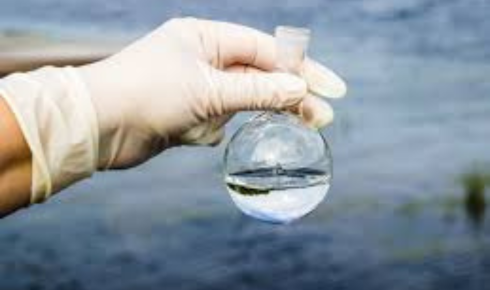
Before investing in equipment, testing is a smart first move. A water analysis can reveal hardness, minerals, sediment, bacteria, or other characteristics that aren’t obvious from taste or appearance.
This information helps avoid a common mistake: buying a treatment system because it sounds impressive rather than because it solves a real problem.
Why Professional Water Treatment Matters
Water treatment isn’t simply about putting a filter under the kitchen sink. Depending on the property, several parts of the water system may need attention.
Professional comprehensive water treatment services can help homeowners and businesses evaluate water quality, identify treatment needs, select suitable equipment, and plan for ongoing maintenance.
That broader approach can be especially helpful when multiple concerns exist. Instead of treating each issue separately without understanding how they connect, a professional assessment can provide a clearer picture of the entire water system.
Residential and Commercial Needs Aren’t the Same
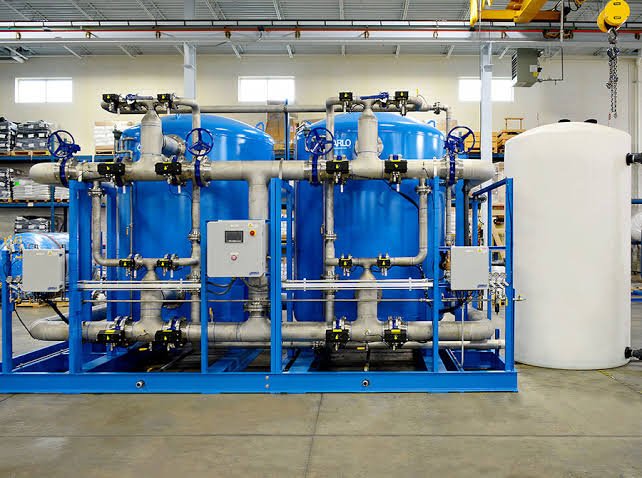
A small household might use a modest amount of water every day, while a restaurant, office building, hotel, or manufacturing facility may depend on thousands of gallons across different applications.
This is why residential & commercial water treatment needs to account for more than just water quality. Flow rate, usage patterns, equipment requirements, available space, and maintenance schedules all matter.
A commercial kitchen, for example, may need treated water for coffee equipment, ice machines, cooking, and cleaning. A residential property may be more concerned with drinking water, showers, laundry, and protecting household appliances.
The basic principle is the same, but the solution should be scaled to the property.
Hard Water Can Create Quiet Problems
Hard water is one of the most common issues homeowners encounter. It contains minerals such as calcium and magnesium that can gradually create scale.
You might see white deposits around faucets or notice that your showerhead doesn’t look as clean as it used to. Inside appliances and water heaters, mineral buildup can be harder to spot.
Over time, these deposits can become a maintenance nuisance. That’s why homeowners dealing with significant hardness often consider a water softening system.
The Importance of Proper Softener Maintenance
Installing a softener is only part of the job. water softener installation & maintenance should be viewed as an ongoing process rather than a one-time purchase.
A properly sized and installed system is more likely to perform as intended. Regular maintenance can include checking settings, replenishing required materials, inspecting components, and replacing parts when necessary.
Homeowners should also understand what their particular softener is designed to do. A softener addresses hardness minerals; it isn’t automatically a complete drinking-water filtration system.
That distinction can save a lot of confusion.
Drinking Water May Need Separate Treatment
The water used throughout a property doesn’t always need the same level or type of treatment as water intended for drinking and cooking.
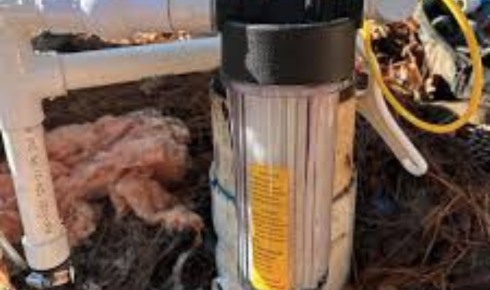
Depending on testing results and household preferences, a dedicated drinking-water filter may be useful. Carbon filtration, reverse osmosis, and other technologies can serve different purposes.
The right choice depends on what is actually present in the water. A system should be selected based on measurable needs rather than vague promises about making water “perfect.”
Maintenance Keeps Everything Working
Water treatment equipment generally operates quietly, which means maintenance is easy to forget. Filters become saturated, components wear down, and settings can sometimes drift over time.
Create a simple maintenance calendar. Write down filter replacement dates, service appointments, and any observations about water quality.
For businesses, scheduled maintenance is even more important because equipment downtime can interrupt normal operations. A small filtration problem can become a much bigger business headache if it affects coffee machines, ice makers, boilers, or other equipment.
Look Beyond the Initial Price
Cost is naturally part of the decision, but it shouldn’t be the only factor.
Consider installation, replacement filters, service requirements, energy or water usage, warranties, and expected equipment life. A system that costs less today may not be the better value if it requires frequent repairs or expensive replacement components.
A trustworthy water-treatment provider should be willing to explain those long-term considerations rather than focusing entirely on the initial sale.
Better Water Starts With the Right Information
There is no universal water-treatment system that works perfectly for every property. The best solution depends on the water, the building, the people using it, and the problems you want to address.
Start with testing. Understand your water source. Identify the concerns that actually matter. Then choose equipment that matches those needs and maintain it properly.
Water treatment may not be the most exciting home or business improvement, but it has a quiet way of making everyday life easier. Cleaner fixtures, better-tasting water, fewer scale problems, and more reliable equipment can all add up.
In the end, good water treatment isn’t about doing more. It’s about doing the right things, in the right order, with a solution that makes sense for your property.