Clean water is something most of us take for granted. We turn on the tap, fill a glass, and get on with the day. But when water develops an unusual smell, tastes different, or comes from a private well, questions about its safety and quality can quickly become important. Even water that looks perfectly clear may contain substances that aren’t visible to the naked eye.
Fortunately, modern water treatment offers several ways to address these concerns. From filtration that improves taste to disinfection technologies designed to control microorganisms, the options are more varied than many homeowners realize. The key is understanding what each method actually does and choosing a solution that fits your water supply, household needs, and budget.
Why Water Treatment Begins With Understanding the Problem
Not every water quality issue has the same cause. Municipal water may contain residual disinfectants used to control microbial growth during distribution. Private wells can be affected by bacteria, naturally occurring minerals, agricultural runoff, or other contaminants depending on the surrounding environment.
Some problems are easy to recognize. White mineral deposits around faucets often point to hard water, while a strong chlorine smell may suggest that the disinfectant affects the water’s taste or odor. Other concerns, including certain dissolved chemicals and microorganisms, may not produce any noticeable change in appearance.
That is why testing should come before purchasing equipment. A laboratory test can help identify specific concerns and guide the selection of suitable treatment methods. If you rely on a private well, regular testing is particularly important because groundwater quality can change over time.
Once you know what you’re dealing with, it becomes much easier to compare systems without spending money on features you may not need.
The Role of Water Disinfection
Filtration and disinfection are related, but they aren’t interchangeable. Filtration generally removes particles or reduces particular substances as water passes through a treatment medium. Disinfection, on the other hand, targets harmful microorganisms, helping reduce the risk of waterborne illness when the process is properly designed and maintained.
One option homeowners may encounter is water disinfection / ultra-violet treatment. Ultraviolet, or UV, systems expose water to UV light at a specified intensity and exposure time. Under suitable operating conditions, this damages the genetic material of many bacteria, viruses, and protozoa, preventing them from reproducing effectively.
UV treatment is attractive because it doesn’t rely on adding a chemical disinfectant to the water. It can be useful for private wells and other supplies where microbial contamination is a concern. However, performance depends on correct sizing, adequate UV transmission, appropriate flow rates, and regular maintenance.
Water generally needs to be clear enough for the UV light to reach microorganisms effectively. Suspended particles and certain water characteristics can interfere with treatment, which is why prefiltration may be necessary. UV systems also require a power supply, and the lamp or other components need replacement according to the manufacturer’s instructions.
Most importantly, UV treatment doesn’t remove dissolved chemicals, heavy metals, or excess minerals. If those are concerns, additional treatment may be required. A properly designed system should address the actual water quality risks rather than rely on one technology to do everything.
Activated Carbon and Better-Tasting Water
Sometimes the biggest complaint about household water isn’t safety but taste. A glass of water may have a swimming-pool-like smell, or coffee and tea may seem less pleasant than expected. In these situations, activated carbon filtration can be a practical option.
Activated carbon water filtration uses carbon with a highly porous structure that provides a large surface area for adsorption. As water passes through the filter, certain compounds attach to the carbon surface. Depending on the filter design and its certification, this process can reduce chlorine, some organic compounds, and substances responsible for unpleasant tastes and odors.
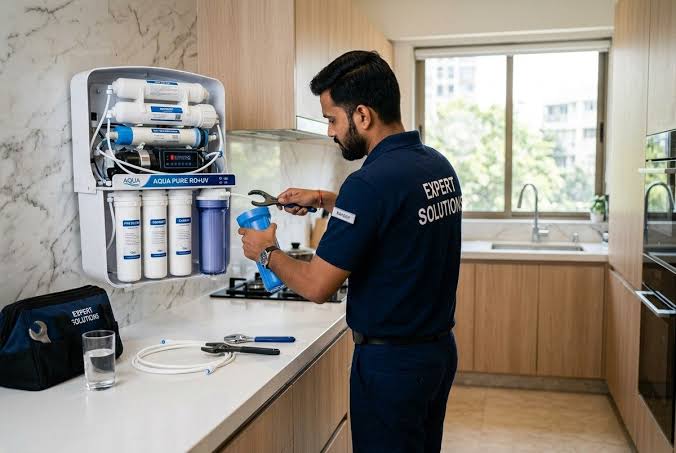
Activated carbon is commonly found in pitcher filters, refrigerator filters, under-sink systems, and whole-house filtration units. The best choice depends on where treatment is needed. A small point-of-use filter may be enough for drinking and cooking, while a whole-house system treats water entering the property.
It’s worth checking the product’s specific performance claims. Not all carbon filters reduce the same contaminants, and a filter designed mainly to improve taste shouldn’t be assumed to remove bacteria, nitrates, or every chemical found in water.
Maintenance matters, too. Carbon filters eventually become less effective as their capacity is used up. Replacing cartridges on schedule helps maintain performance and prevents an old filter from becoming a weak point in the treatment setup.
What Is Ozone Decontamination?
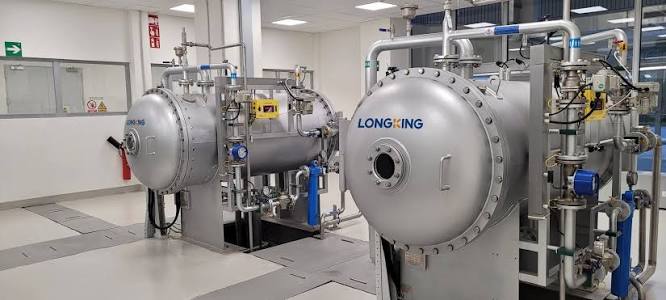
Ozone is a powerful oxidizing agent used in some municipal, commercial, industrial, and specialized water treatment applications. When introduced under controlled conditions, it can help inactivate microorganisms and oxidize certain compounds. It may also assist with reducing some taste, odor, and color problems, depending on the water chemistry and system design.
Ozone decontamination works differently from activated carbon filtration or UV treatment. Rather than relying on a filter surface or exposure to ultraviolet light, ozone reacts with substances in the water. It is generated on-site because it is unstable and breaks down relatively quickly.
This short-lived nature can be useful, but it also creates limitations. Ozone generally doesn’t provide a lasting disinfectant residual throughout a distribution system. The treatment process must be carefully controlled, and certain water conditions can lead to unwanted byproducts. For example, ozone can react with bromide in some source waters to form bromate, which is a regulated concern in drinking water treatment.
Ozone equipment also requires proper installation, monitoring, and safety precautions because ozone gas can irritate the respiratory system. For most households, it isn’t a casual do-it-yourself addition. Professional assessment is important to determine whether the technology is appropriate for the specific water supply and intended application.
Choosing the Right Combination of Technologies
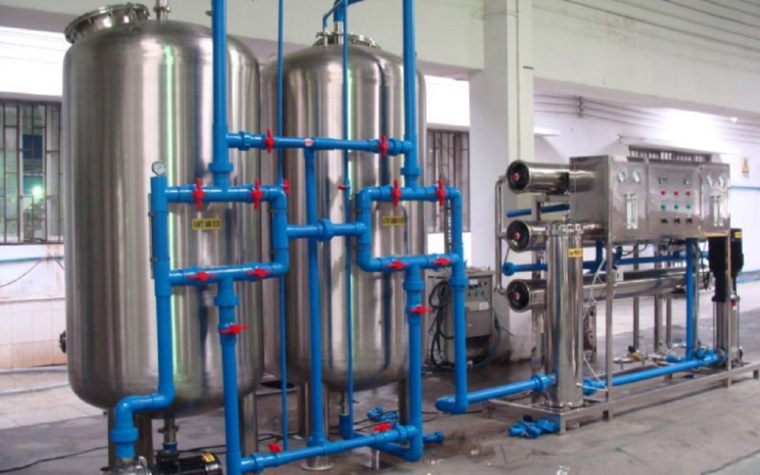
Water treatment often works best when technologies complement one another. For instance, sediment filtration may help remove particles before UV disinfection. Activated carbon can improve taste and reduce chlorine, while reverse osmosis may be considered when testing identifies certain dissolved contaminants that require additional removal.
The right combination depends on the test results, the source of the water, and the purpose of treatment. A household using treated municipal water may only need a carbon filter for taste. A private well with confirmed microbial concerns may require a properly designed disinfection system, possibly alongside filtration. If chemical contamination is identified, the response should be tailored to the specific substance.
When comparing products, look for independent certifications relevant to the claimed performance. Ask about installation requirements, water flow, maintenance schedules, replacement costs, and warranty coverage. A supplier should be able to explain what a system can reduce and what it cannot.
Be cautious of broad promises that equipment makes water completely pure or removes every possible contaminant. Effective treatment is based on measurable performance, not impressive marketing language.
Keep Water Quality on Your Radar
Installing a water treatment system is not the end of the process. Filters need changing, UV lamps require maintenance, and treatment equipment should be checked to confirm it continues to operate as intended. Private well owners should maintain a regular testing schedule even when disinfection equipment is in place.
It also helps to keep records of test results, filter replacements, and professional service visits. These small habits make it easier to identify changes before they become bigger problems.
Ultimately, better water begins with knowing what’s in your supply. Disinfection, carbon filtration, and ozone treatment each have a role, but none is the perfect solution for every situation. Test first, compare technologies carefully, and seek qualified advice when the risks are uncertain. With the right approach, you can make a more informed decision and build a water treatment setup that supports your household for years to come.