Running a business means juggling dozens of responsibilities, and waste removal probably isn’t the first thing on your mind each morning. You’re thinking about customers, employees, deadlines, inventory, and the unexpected problems that seem to arrive at the worst possible moment. Yet when rubbish begins piling up near a loading dock or construction debris takes over a work area, it quickly becomes difficult to ignore.
A reliable waste removal plan helps keep daily operations moving. The right container, a sensible collection schedule, and clear communication can reduce clutter and make the workplace safer and more organized. The challenge is finding an arrangement that suits the business rather than forcing the business to work around the waste.
Start by Understanding Your Waste
Before choosing a dumpster, take a closer look at what your business throws away and how often it needs to be removed. A restaurant may produce food packaging and general rubbish every day, while a warehouse might deal with cardboard, pallets, and shipping materials. A construction company has a different set of needs, especially when a project involves drywall, lumber, roofing materials, or demolition debris.
The volume of waste is only one part of the picture. Its weight, shape, and disposal requirements also matter. Cardboard can fill a container quickly without adding much weight, whereas concrete and soil may reach a container’s weight limit long before the available space is used. Some materials also require separate handling under local regulations.
Spend a few days observing how waste moves through the property. Are employees making frequent trips to an overflowing bin? Does packaging accumulate after deliveries? Are containers filling faster during certain shifts or seasons? These everyday details can reveal what needs to change.
A short assessment is often more useful than guessing based on the size of the building. It gives you a clearer starting point for discussing container capacity and collection frequency with a waste provider.
Choosing a Container That Suits Your Operation
Businesses don’t all generate waste at the same rate, so a one-size-fits-all approach rarely works. A small retail store may need a modest container with regular collection, while a distribution center could require significantly more capacity. A renovation contractor might need a temporary roll-off container for a specific project rather than an ongoing arrangement.
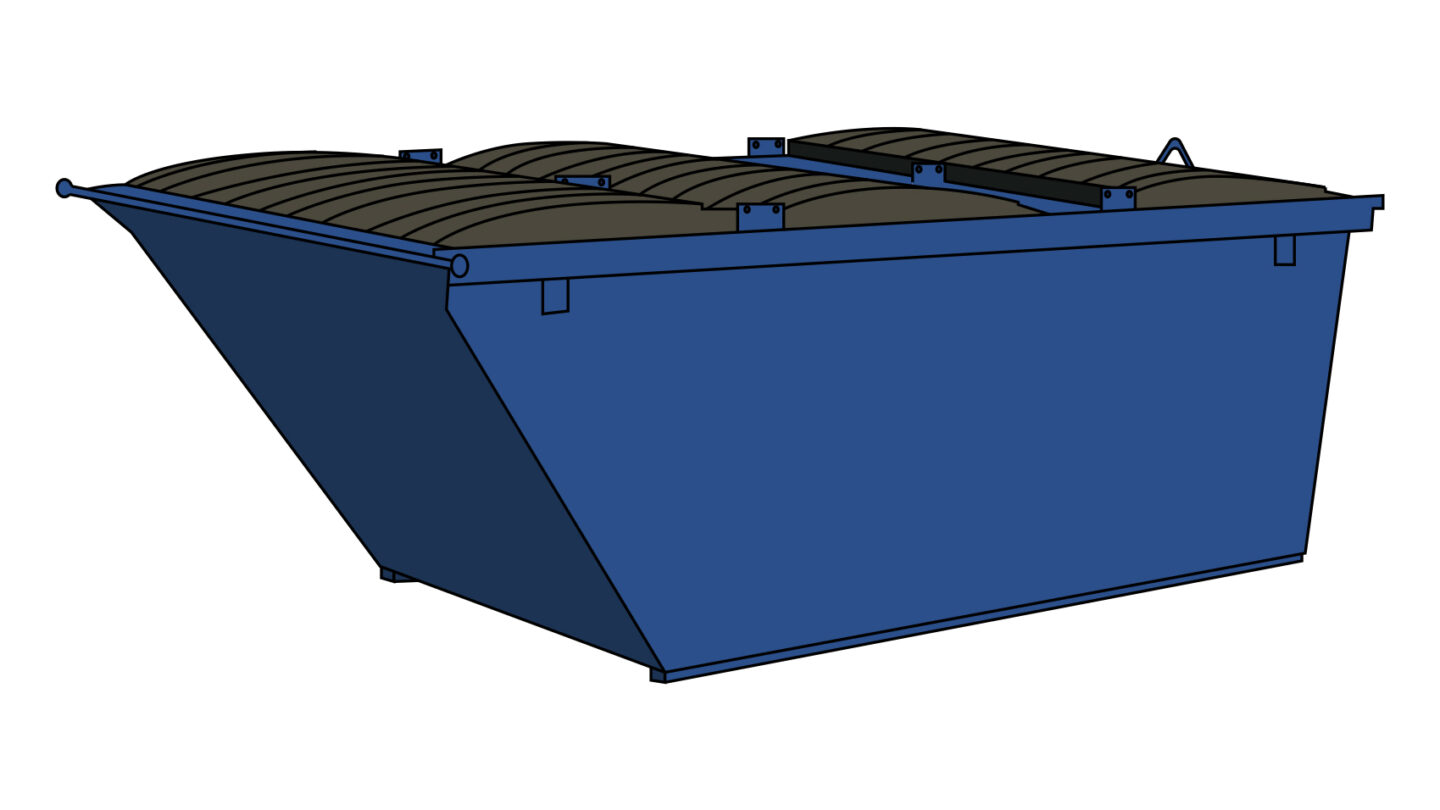
Understanding commercial dumpster sizes can help you compare options based on the space available and the type of waste produced. Smaller containers may suit businesses with steady but limited waste volumes. Larger options can be more practical for busy facilities, major cleanouts, and construction sites where bulky materials are generated throughout the day.
Think about the physical layout, too. A container may have enough capacity on paper, but if employees cannot reach it easily or a delivery truck struggles to access the designated area, the arrangement can become inconvenient. Measure the available space and consider turning room, overhead clearance, and the movement of other vehicles.
It’s also important to ask about weight limits and prohibited materials before choosing a size. A container intended for ordinary commercial rubbish may not be suitable for heavy demolition waste or certain regulated materials. Matching the container to the waste helps avoid unnecessary delays and extra charges.
When Roll-Off Containers Make More Sense
Some businesses need waste removal that can adapt to changing workloads. Construction companies, property managers, and commercial renovation teams often produce large quantities of debris over a relatively short period. In these cases, a roll-off container can provide a convenient place to collect waste as work progresses.
Comparing roll-off dumpster sizes is especially useful when the amount of debris depends on the project’s stage. A smaller container may be sufficient for removing fixtures from one room, while a larger one may be better suited to a building-wide renovation or extensive demolition. The right choice depends on the materials, expected volume, available placement space, and project timeline.
Roll-off containers can also help separate waste from active work areas. Instead of leaving broken materials scattered around a site, workers have a designated place to put acceptable debris. That can improve organization and reduce the chance of trips, blocked walkways, or unnecessary handling.
Still, bigger isn’t automatically better. Large containers need sufficient access space, and heavy materials can reach weight limits quickly. Discuss the expected debris with the provider before delivery, particularly if the project involves concrete, brick, soil, or roofing shingles.
For longer jobs, ask how container exchanges are arranged. Knowing what happens when a dumpster fills can help the project manager plan the next stage without allowing waste to interrupt the work.
Make Collection Timing Part of the Plan
Even a well-sized container becomes a problem if it fills before the scheduled pickup. Overflowing waste can interfere with deliveries, create unpleasant conditions, and make a workplace look neglected. On the other hand, collections that happen too frequently may mean paying for service the business doesn’t really need.
Look at the business’s weekly rhythm. A retailer might generate more packaging after large deliveries, while a restaurant may need more frequent removal during busy periods. Construction sites can experience sudden increases in debris when demolition begins or several trades are working simultaneously.
Ask your provider about available collection schedules and whether service can be adjusted during busier periods. A predictable arrangement helps employees understand where waste belongs and allows managers to plan around collection days.
Clear communication is particularly important if your operating hours differ from the provider’s usual service window. Confirm access arrangements, gate codes where appropriate, and any restrictions that could prevent the truck from reaching the container. These details are easy to overlook when booking, yet they can make a noticeable difference on the day.
What Good Commercial Waste Service Should Include
The equipment matters, but the service behind it matters just as much. A dependable provider should explain pricing, container limits, collection schedules, and material restrictions in plain language. If your business has a question, you should know whom to contact and what information they’ll need to help.
A suitable commercial dumpster service should fit the property’s daily operations instead of creating extra work for staff. That may mean arranging collections around delivery times, choosing a practical container location, or reviewing the schedule as waste volumes change.
Ask for a written quote that explains what the price covers. Find out whether delivery, collection, rental periods, and disposal charges are included. Check how additional weight, prohibited items, or extended rental periods are handled. A low starting price can be misleading if important costs are left unclear.
It’s worth reviewing service performance from time to time, too. If containers repeatedly overflow or collections don’t align with the business’s needs, discuss the problem rather than simply accepting it. Your waste requirements may have changed as the business grew, added staff, or expanded its operations.
Keep the Work Area Clean and Safe
Waste management is also a workplace issue. Containers should be placed where employees can use them without blocking exits, fire lanes, loading areas, or pedestrian routes. Keep the surrounding space tidy and avoid leaving loose debris beside the container.
Train employees to separate recyclable materials where appropriate and never place restricted substances in ordinary waste containers. Batteries, chemicals, electronics, and other special materials may require separate disposal arrangements. Clear signage can make these rules easier to follow, particularly in busy workplaces with rotating staff.
Regularly check container condition and access. If a lid is damaged, waste is escaping, or the surrounding area has become unsafe, contact the provider and address the issue promptly. Small problems are easier to correct before they interfere with operations.
Build a Waste Plan That Can Grow With You
Business needs rarely stay exactly the same. A company may expand its warehouse, add another shift, take on larger projects, or experience seasonal changes in demand. A waste removal arrangement that worked last year might no longer be suitable.
Review your waste volume, collection frequency, and service costs periodically. If the container fills too quickly or remains mostly empty between collections, the setup may need adjustment. Keep records of recurring issues and discuss practical alternatives with your provider.
A thoughtful waste plan doesn’t need to be complicated. It needs to reflect how the business operates, provide enough capacity for everyday demands, and remain flexible when things change.
When waste removal is planned well, it becomes part of the background rather than a constant distraction. Employees can focus on their work, customers encounter a cleaner environment, and managers have one less operational problem to worry about. That’s the real value of choosing a waste solution that fits the business—not just today, but as it continues to grow.