A water treatment system is one of those things you don’t think about much when it’s working properly. The water tastes fine, the shower feels normal, and the white marks that once appeared around the faucets have become less of a problem. Then something changes. Perhaps the water develops an unusual smell, the pressure drops, or the system starts making noises it never made before.
It’s tempting to ignore these signs for a while, especially when the equipment still seems to be doing its job. But small problems can become more expensive if they’re left unresolved. Knowing what to look for, when to seek professional help, and how to care for your equipment can make a real difference to its performance and lifespan.
Recognising the Early Warning Signs
Water treatment equipment doesn’t always stop working suddenly. In many cases, performance declines gradually, giving homeowners a few clues along the way. A filter may become clogged, a softener may stop regenerating correctly, or a connection may begin to leak.
Changes in water quality are worth paying attention to. If hard-water deposits start returning after a softener has been working well, the system may need maintenance or further investigation. An unpleasant taste or odor can indicate that a filter cartridge has reached the end of its useful life, although changes in the incoming water can cause similar symptoms.
Pressure is another useful clue. A noticeable drop may be associated with a clogged filter, restricted plumbing, or another issue elsewhere in the system. Unusual sounds, repeated warning lights, visible leaks, and unexpected increases in water use also deserve attention.
None of these symptoms identifies the cause with certainty. Instead of replacing parts at random, make a note of what has changed and when it started. That information can help a technician narrow down the possibilities and avoid unnecessary work.
Why Professional Repairs Can Save Time
Some maintenance tasks are simple enough for homeowners to handle, such as checking a filter-change date or making sure a softener has the recommended salt supply. Other problems involve electrical components, pressurised plumbing, control valves, or treatment media that require more specialised knowledge.
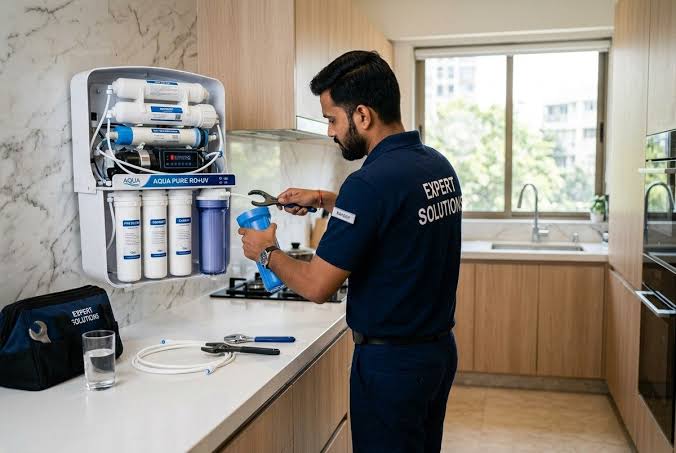
Professional repair services can help identify the underlying fault and restore the system safely. A qualified technician may inspect the plumbing connections, examine control settings, test relevant components, and check whether the equipment is operating within the manufacturer’s specifications.
The important thing is to repair the actual problem rather than just its most visible symptom. For example, water collecting beneath a filter housing could result from a worn seal, an improperly fitted cartridge, or excessive pressure. Tightening a connection without investigating the cause may not provide a lasting solution.
Before authorising work, ask what the technician has found, which repairs are necessary, and whether replacement parts are covered by a warranty. A clear explanation helps you understand the cost and decide how to proceed.
If water is actively leaking, switch off the equipment’s water supply when it is safe to do so. For electrical hazards or substantial flooding, prioritise safety and seek appropriate assistance rather than attempting a repair yourself.
Finding the Real Cause of the Problem
Water treatment systems often contain several components that work together. A filter cartridge, pressure gauge, control valve, storage tank, membrane, or electronic controller may each affect overall performance. When one part behaves differently, the symptoms can sometimes appear elsewhere in the system.
This is why diagnosis and troubleshooting should come before ordering replacement parts. A technician may review the system’s maintenance history, inspect visible connections, measure pressure, check control settings, and compare water quality before and after treatment where appropriate.
Consider a reverse osmosis unit that produces drinking water much more slowly than usual. The cause could be a clogged prefilter, low incoming pressure, a problem with the storage tank, or a membrane that needs attention. Replacing the membrane immediately might be unnecessary if the real issue is a blocked cartridge or a faulty valve.
Likewise, a water softener that allows hardness minerals to pass through may have a depleted salt supply, an incorrect setting, a blocked injector, or a problem with its regeneration cycle. Each possibility requires a different response.
Homeowners can make the process easier by keeping the model number, installation date, service records, and recent filter changes available. These details give a technician a useful starting point and may reduce the time needed to identify the fault.
When a Component Needs Replacing
Not every issue can be resolved by cleaning or adjusting the equipment. Filters and membranes have limited service lives, while seals, valves, pumps, and electronic parts may eventually wear out. In those cases, component replacement may be the most practical option.
The decision should depend on the part’s condition, the equipment’s age, and the cost of restoring reliable operation. Replacing a worn seal or inexpensive valve may make sense for a system that is otherwise in good condition. If several major parts are failing on an older unit, however, it may be worth comparing the cost of continued repairs with the price of a replacement system.
Compatibility matters, too. A part that looks similar to the original may not meet the manufacturer’s specifications. Using unsuitable cartridges, membranes, or electrical components can affect performance and may create additional problems. Check the exact model and follow the manufacturer’s recommendations.
Ask whether the replacement part is genuine or an approved equivalent, how long it is expected to last, and whether the work carries a warranty. These questions help you understand what you’re paying for rather than focusing only on the immediate repair bill.
Routine Maintenance Can Prevent Repeat Problems
Repairs are sometimes unavoidable, but regular maintenance can help catch certain issues before they become disruptive. Follow the manufacturer’s schedule for changing filters, servicing softeners, sanitising storage tanks where required, and checking other system components.
Don’t wait for the water to taste different before replacing a cartridge. Filters can reach their service limit without producing an obvious warning. Similarly, a softener may need periodic checks even when no visible scale has returned.
Keep the area around the equipment clean and accessible. Look for visible moisture, damaged tubing, corrosion, or unusual changes in noise. Never dismantle pressurised or electrically powered equipment unless you’re qualified to do so and have followed the required safety procedures.
If the water’s taste, colour, odor, or appearance changes unexpectedly, consider whether the source water has changed as well. A treatment system may be functioning normally while the incoming water develops a new issue. Appropriate testing can help distinguish between these possibilities.
Repair or Replace? Make the Decision Carefully
The age of the system alone doesn’t determine whether replacement is necessary. Some units remain serviceable for many years with proper maintenance, while others become uneconomical to repair because of repeated failures or obsolete parts.
Compare the estimated repair cost with the system’s condition, expected remaining service life, energy or water use, and availability of replacement components. A professional opinion can help clarify the options, but you should feel comfortable asking questions before making a decision.
Keep Your Water System Working as It Should
A water treatment system should make everyday life easier, not leave you guessing whenever something changes. Paying attention to early warning signs, keeping service records, and arranging appropriate repairs can help maintain reliable performance.
When a problem appears, resist the urge to replace parts without understanding the cause. Start with the symptoms, seek a proper assessment when needed, and weigh repair costs against the condition of the equipment.
With sensible maintenance and timely attention, many water treatment problems can be addressed before they turn into larger disruptions. The aim is simple: dependable equipment, manageable costs, and water that continues to meet your household’s needs.