Most people don’t give much thought to the water running through a building until something goes wrong. A production line slows down because of mineral buildup. A restaurant struggles with spotting on glassware. An office building starts dealing with plumbing issues that seem to appear out of nowhere. These problems can look unrelated, but water quality and the equipment used to manage it often have more influence than people realise.
For homeowners, water treatment can make everyday tasks easier. For businesses, it can affect operating costs, product quality, equipment life, and even customer experience. The challenge is finding a solution that fits the actual needs of the property rather than choosing equipment based on a sales pitch or a list of impressive features.
Start With the Water, Not the Equipment
Water conditions differ from one location to another. Local geology, municipal treatment processes, private wells, and building plumbing can all affect what comes out of a tap. Hard water, for instance, contains elevated levels of calcium and magnesium. Over time, these minerals can leave deposits on fixtures and inside pipes, boilers, heaters, and other equipment.
Other concerns may include sediment, iron staining, unusual tastes, or specific contaminants. Each issue calls for a different approach. A sediment filter may capture suspended particles, while a properly selected carbon filter can reduce certain tastes and odours. A softener is designed to address hardness minerals, but it isn’t a universal purifier.
Testing is therefore a sensible first step. Depending on the water source and the purpose of the assessment, testing may cover hardness, pH, iron, dissolved solids, bacteria, or other relevant substances. The results provide a useful starting point for deciding which treatment methods deserve consideration.
It may seem quicker to buy a system immediately, especially when the symptoms appear obvious. But a little investigation can prevent an expensive mistake. After all, nobody wants to invest in equipment only to discover that it wasn’t designed to solve the problem in the first place.
When Businesses Need a More Considered Approach
Commercial properties often have water requirements that go well beyond those of a typical household. A hotel may need consistent water quality across dozens of rooms. A restaurant depends on water for food preparation, cleaning, and dishwashing. Manufacturing facilities may need water with specific characteristics for production processes, cooling, or equipment operation.
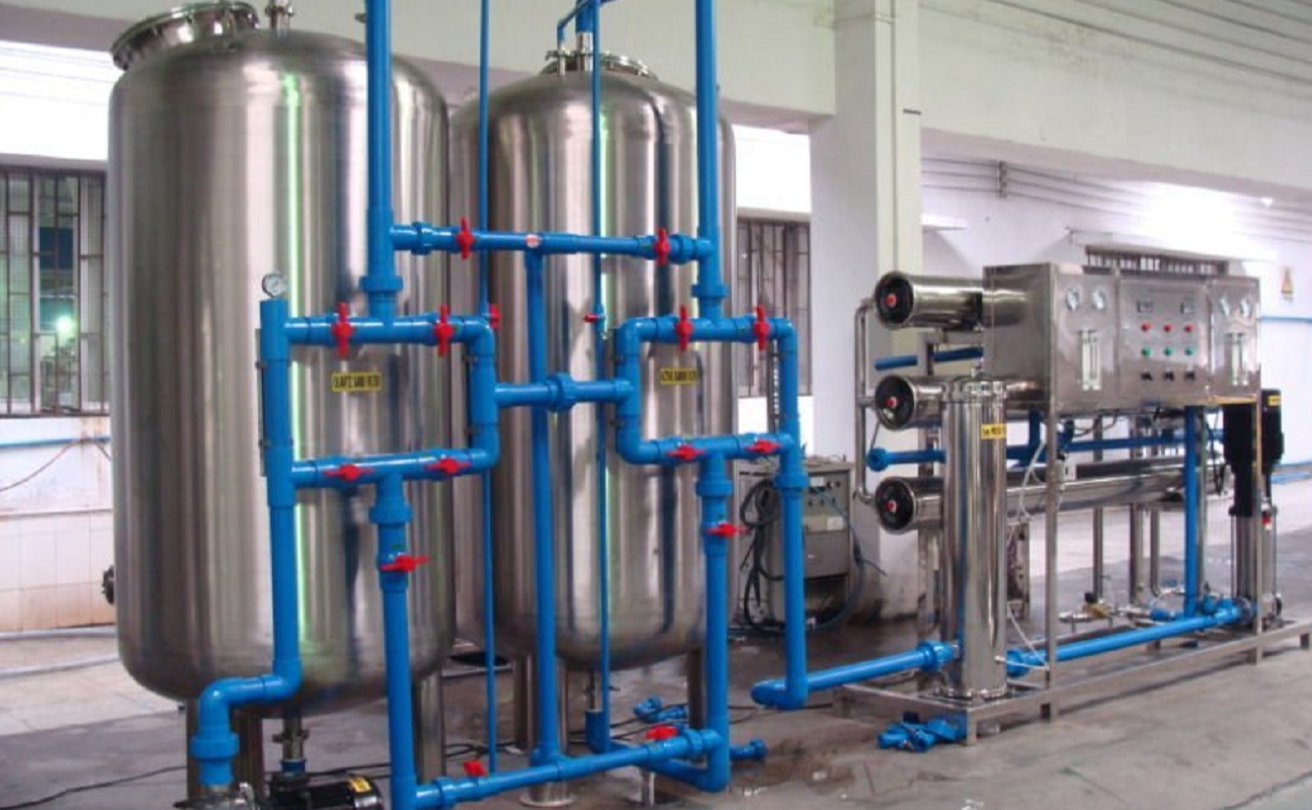
In these settings, commercial water treatment systems should be selected around the property’s actual demand, water conditions, and operational priorities. A system that works adequately during quiet periods may struggle when several fixtures or machines operate at once. Flow rate, treatment capacity, pressure requirements, and available installation space all deserve attention.
The consequences of choosing poorly can extend beyond inconvenience. Scale can reduce heat-transfer efficiency, filters may become overloaded, and unexpected maintenance can interrupt normal operations. In industries where water quality affects a product or regulated process, treatment requirements may also be tied to specific standards or documented procedures.
That doesn’t mean every business needs an elaborate installation. Sometimes a straightforward filtration setup is sufficient. The important thing is to match the technology to the task and avoid adding components that don’t provide a meaningful benefit.
Good Design Is About More Than Sophisticated Equipment
Technical specifications can make a system look impressive on paper, but they don’t tell the whole story. A well-designed solution should suit the water entering the property, the amount used each day, and the environment in which the equipment will operate.
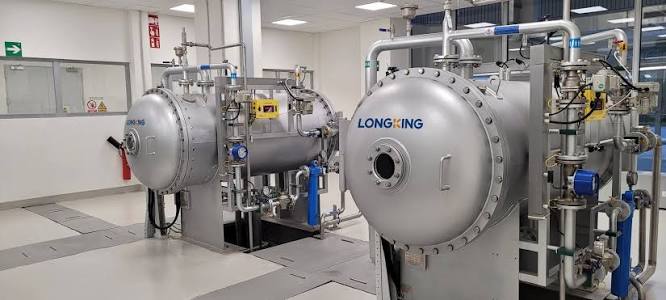
For some facilities, precision-engineered systems can provide a practical way to manage demanding water requirements. The term should mean more than carefully machined components or a complicated control panel. Proper design also involves choosing suitable treatment media, allowing enough capacity for peak demand, and making the system accessible for routine inspection and servicing.
Consider a business that uses heated water throughout the day. If the incoming water is hard, mineral scale may gradually collect on heating elements and internal surfaces. Treating hardness at the appropriate point can help control that buildup. Yet the correct solution depends on the water analysis, equipment specifications, and how the facility operates. Installing a softener without considering these factors may not deliver the expected result.
Controls and monitoring can be useful, too, particularly where water demand changes throughout the day. Still, technology should make operation clearer rather than create another layer of complexity. Staff need to understand basic indicators, recognise warning signs, and know when to contact a service professional.
Maintenance Is Part of the Original Plan
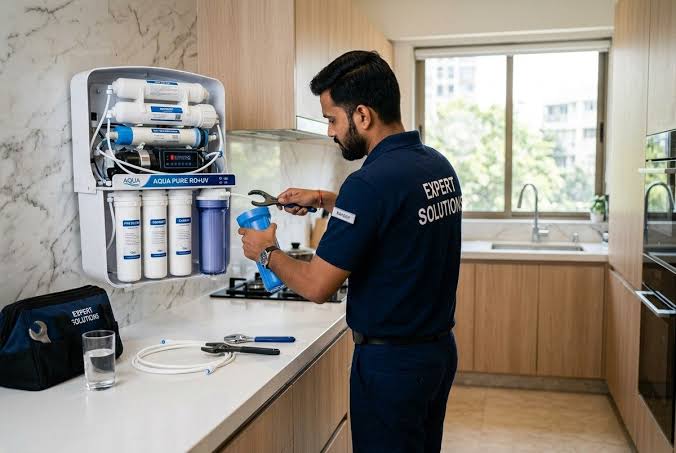
A water treatment system doesn’t remain effective simply because it was installed correctly. Filters gradually collect particles or reach the end of their service life. Softening equipment may require salt or another regeneration material, and membranes or other specialist components need replacement according to the manufacturer’s guidance.
Maintenance is easier when it has been considered before installation. Ask how frequently filters need changing, which parts are consumable, and whether the system requires professional servicing. For a commercial property, it’s also worth planning maintenance around operating hours so that routine work causes as little disruption as possible.
Keep records of service visits, replacement parts, and water test results. These details can help identify recurring problems and make it easier to determine whether a system is still meeting its original requirements. If the water source changes or a facility expands, the treatment setup may need to be reassessed.
Small warning signs shouldn’t be ignored. A sudden change in pressure, an unusual taste, visible leakage, or a persistent alarm may indicate that something needs attention. Responding early is often simpler than waiting until a component fails completely.
Look at the Full Cost of Ownership
Price matters, of course. But the initial equipment cost is only one part of the decision. Installation, electricity, water use, replacement filters, regeneration materials, labour, and periodic repairs can all affect the long-term budget.
A cheaper system may be perfectly suitable for a small application. In a high-demand facility, however, undersized equipment could lead to frequent service calls or inadequate treatment during busy periods. At the other end of the scale, purchasing a large system with features the property doesn’t need can waste money from the start.
Request a written estimate that explains what’s included and what may cost extra. Ask about expected service intervals, replacement-part availability, warranty coverage, and the support offered after installation. If performance claims are important to the application, request documentation or independent certifications relevant to the contaminants or operating conditions involved.
A trustworthy provider should be able to explain the reasoning behind a recommendation in plain language. You shouldn’t need an engineering degree just to understand what you’re buying.
What Consistency Looks Like in Everyday Operation
Once a suitable system is in place, the goal is straightforward: water quality should remain appropriate for the intended use, and the equipment should operate within its design limits. For a business, reliable performance means fewer avoidable interruptions, predictable maintenance, and confidence that the treatment process is doing what it was selected to do.
That confidence comes from more than the equipment itself. Correct installation, staff awareness, regular servicing, and occasional testing all contribute. If the water is used in a process with specific quality requirements, follow the relevant testing and documentation procedures rather than relying on appearance alone.
It’s also wise to revisit the original goals periodically. A growing business may have higher demand than it did a few years ago. A new appliance or production process might introduce different requirements. Reviewing the system before problems emerge can help ensure that the setup continues to suit the property.
Make Decisions That Stand Up Over Time
Water treatment is rarely the most visible part of a building, but its effects can be felt across daily operations. The right system can help manage scale, address particular water-quality concerns, and support equipment that depends on consistent water conditions. The wrong one can add expense without solving the underlying problem.
Start with testing, ask practical questions, and compare options according to performance, maintenance, and long-term cost. Choose equipment that fits the application, and give it the attention needed to keep working properly.
In the end, good water management isn’t about buying the most advanced system on the market. It’s about understanding what your water needs, choosing a sensible solution, and making sure that solution continues to serve the people and processes that depend on it.