Open the refrigerator in many households, and you’ll probably find a collection of bottled water taking up valuable space. Sometimes, it’s there because the family doesn’t enjoy the taste of tap water. Other times, it’s simply become a habit nobody has thought much about changing.
For Knoxville homeowners exploring filtered drinking water solutions, installing a dedicated treatment system offers an opportunity to enjoy convenient access to better-tasting water without constantly restocking plastic bottles.
Reverse osmosis is one option worth understanding, particularly for households concerned about dissolved substances in their water supply. However, choosing the right equipment involves more than picking a popular model. Your water quality, kitchen layout, daily consumption, and maintenance preferences all deserve consideration.
Start by Understanding Your Water Quality
Before investing in filtration equipment, take a moment to consider what you’re hoping to improve. Does your tap water have a noticeable chlorine taste? Are you concerned about particular contaminants, or would you simply prefer water with a more neutral flavor?
These questions matter because different filtration technologies address different concerns.
Activated carbon filtration may be sufficient for certain taste and odor problems, while reverse osmosis can reduce many dissolved substances that ordinary carbon filters may not effectively address.
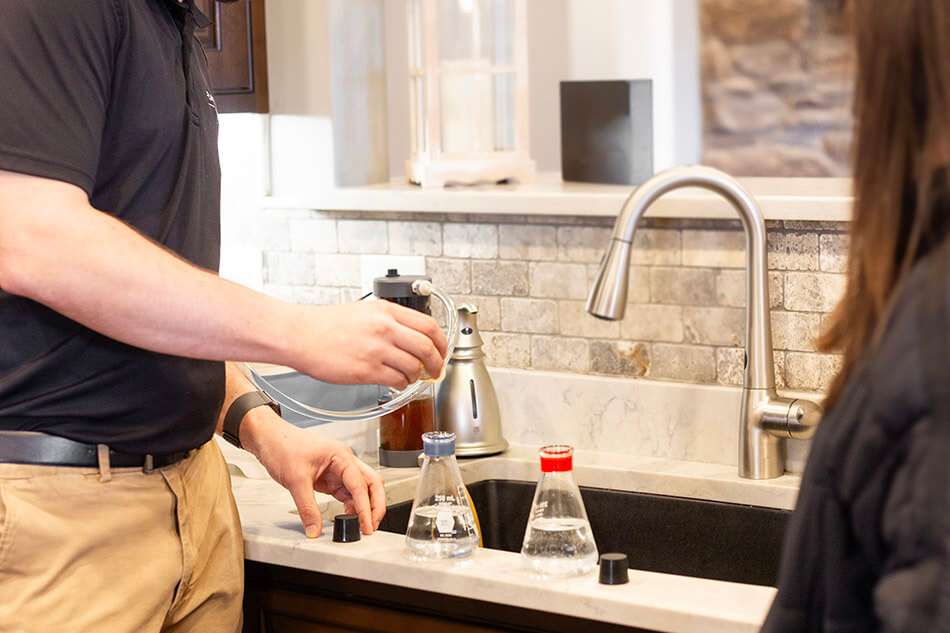
Reviewing your municipal water quality report or arranging appropriate laboratory testing can help identify which treatment approach makes sense.
There’s little value in purchasing sophisticated equipment when a simpler solution adequately meets your requirements.
Preparing Your Kitchen for a Reverse Osmosis System
One of the appealing aspects of modern drinking water treatment is that it doesn’t necessarily require major changes to your kitchen.
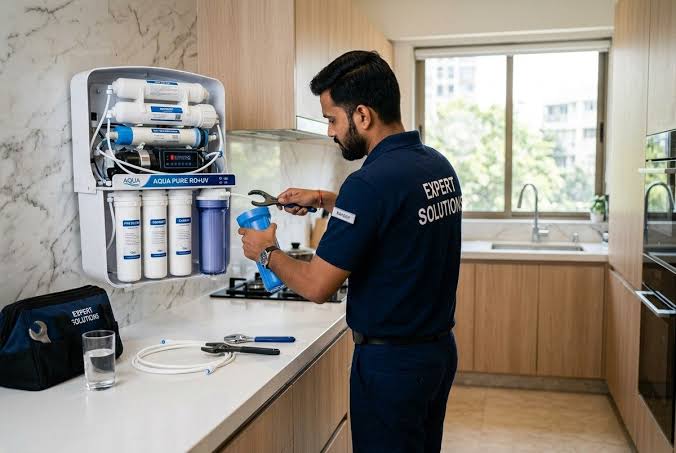
A properly planned reverse osmosis system installation typically involves connecting equipment beneath the sink, establishing appropriate drainage, and installing a dedicated drinking water faucet.
Traditional models often include a storage tank, while tankless systems offer an alternative for homeowners with limited cabinet space.
Before installation, check incoming water pressure, existing plumbing connections, and the amount of room available beneath your sink.
It’s also important to leave sufficient space for future filter replacements.
Discuss these details with your installer beforehand. A little preparation can prevent inconvenient adjustments later and help ensure the equipment fits naturally into your kitchen.
Choosing Equipment That Matches Your Daily Routine
Every family uses drinking water differently. Some households prepare several pots of coffee throughout the day, while others regularly cook large meals or fill multiple reusable water bottles before leaving home.
Understanding your household’s drinking water needs helps you choose equipment with suitable production capacity, storage arrangements, and filtration capabilities.
A system designed for occasional drinking water use may not comfortably support a larger family’s consumption during busy periods.
Consider how frequently you’ll use treated water for cooking, beverages, and other kitchen activities.
Ask about actual production rates under your home’s operating conditions rather than relying exclusively on advertised figures.
The right system should comfortably support your everyday routine without leaving you waiting for enough water to prepare dinner.
What Happens Inside a Reverse Osmosis System?
The technology behind reverse osmosis is sophisticated, although its basic purpose is relatively straightforward.
Water pressure moves incoming water through a semipermeable membrane that reduces many dissolved substances.
Additional filtration stages commonly address sediment and chlorine, helping improve water characteristics while protecting internal components.
Depending on its certified performance, a reverse osmosis system may reduce contaminants such as lead, nitrate, fluoride, and dissolved salts.
However, no single product should be assumed to address every possible water quality concern.
Always review independent certification and specific contaminant reduction claims before purchasing equipment.
If your property relies on a private well, appropriate testing is particularly important because additional treatment or disinfection may be necessary.
Enjoying the Everyday Benefits of Filtered Water
The advantages of installing a dedicated drinking water system often become apparent through surprisingly ordinary experiences.
Your morning coffee may taste different when unwanted water flavors are reduced. Homemade ice cubes may carry fewer unpleasant tastes, and preparing beverages becomes more convenient.
There’s also something satisfying about filling your reusable water bottle directly from a dedicated faucet instead of opening another plastic bottle.
For families that frequently purchase bottled water, having treated water available at home may help reduce that recurring expense.
Taste remains a personal preference, though. Some people prefer the neutral flavor associated with reverse osmosis, while others enjoy water with additional mineral content.
Remineralization options are available for households that prefer a different taste profile.
Considering Operating Costs and Water Efficiency
The initial purchase price doesn’t tell you everything about the long-term cost of owning a filtration system.
Replacement cartridges, membrane changes, professional servicing, and water consumption all deserve attention.
Reverse osmosis produces a concentrated wastewater stream as part of its treatment process. Comparing system efficiency is therefore worthwhile, particularly if you’re concerned about household water consumption.
Ask about replacement filter availability and expected servicing intervals before committing to a particular model.
Sometimes, spending a little more upfront on suitable equipment can make ownership more convenient over time.
Keeping Better Drinking Water Within Easy Reach
Regular maintenance helps ensure your filtration system continues performing as intended. Follow manufacturer recommendations, replace filters when necessary, and arrange servicing if you notice unusual changes in water production or quality.
For Knoxville homeowners, installing reverse osmosis can be a practical investment when the technology addresses genuine water quality concerns.
Better drinking water doesn’t need to become another complicated household responsibility. With appropriate testing, thoughtful equipment selection, and manageable maintenance, it can fit comfortably into everyday life.
And perhaps the greatest benefit is simply opening the kitchen faucet, filling your glass, and enjoying a refreshing drink without having to give it much thought at all.